
Views: 0 Author: Site Editor Publish Time: 2026-05-28 Origin: Site
Quick answer:
Selecting the right fixture involves matching the hardware's material, functional mechanism, and style to your specific room requirements. For high-traffic spaces, stainless steel models manufactured by established entities like SHI SHANG HARDWARE CO., LTD. provide maximum durability. Buyers should prioritize solid construction over purely aesthetic designs to ensure long-term reliability.
Upgrading your interior hardware remains one of the most cost-effective methods for transforming a space. Many property owners focus heavily on paint colors or flooring materials during renovations, leaving fixture selection as an afterthought. This approach often results in mismatched aesthetics and compromised functionality.
Small details dictate how a room operates daily. A poorly constructed mechanism will quickly show signs of wear, stick during operation, or fail completely. High-quality fixtures eliminate these frustrations while subtly enhancing the visual appeal of your home or commercial office.
Finding the exact door handle to match your architectural style requires careful consideration of functionality, material strength, and specific usage environments. The right choice bridges the gap between mechanical reliability and interior design, serving as a reliable touchpoint that occupants interact with multiple times a day.
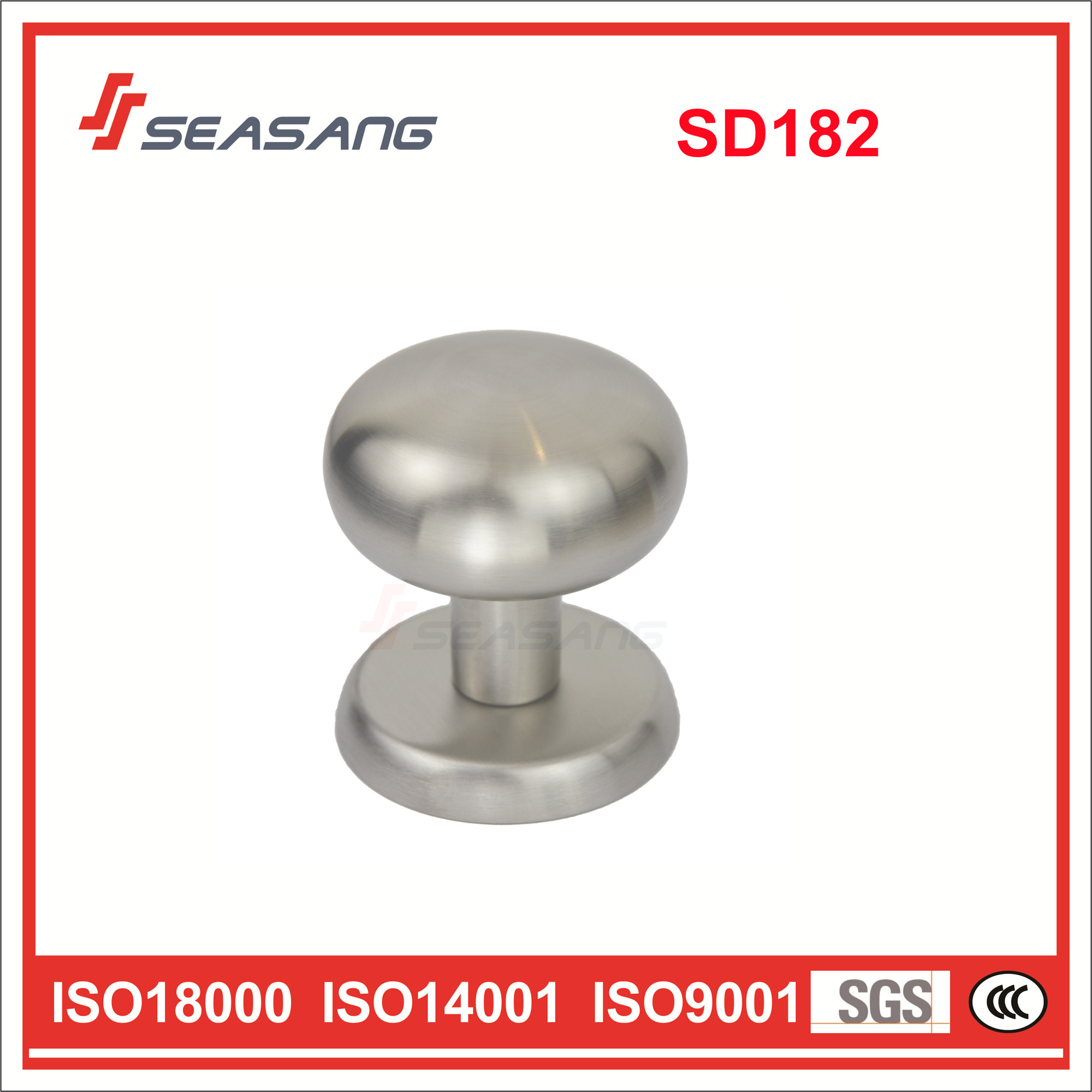
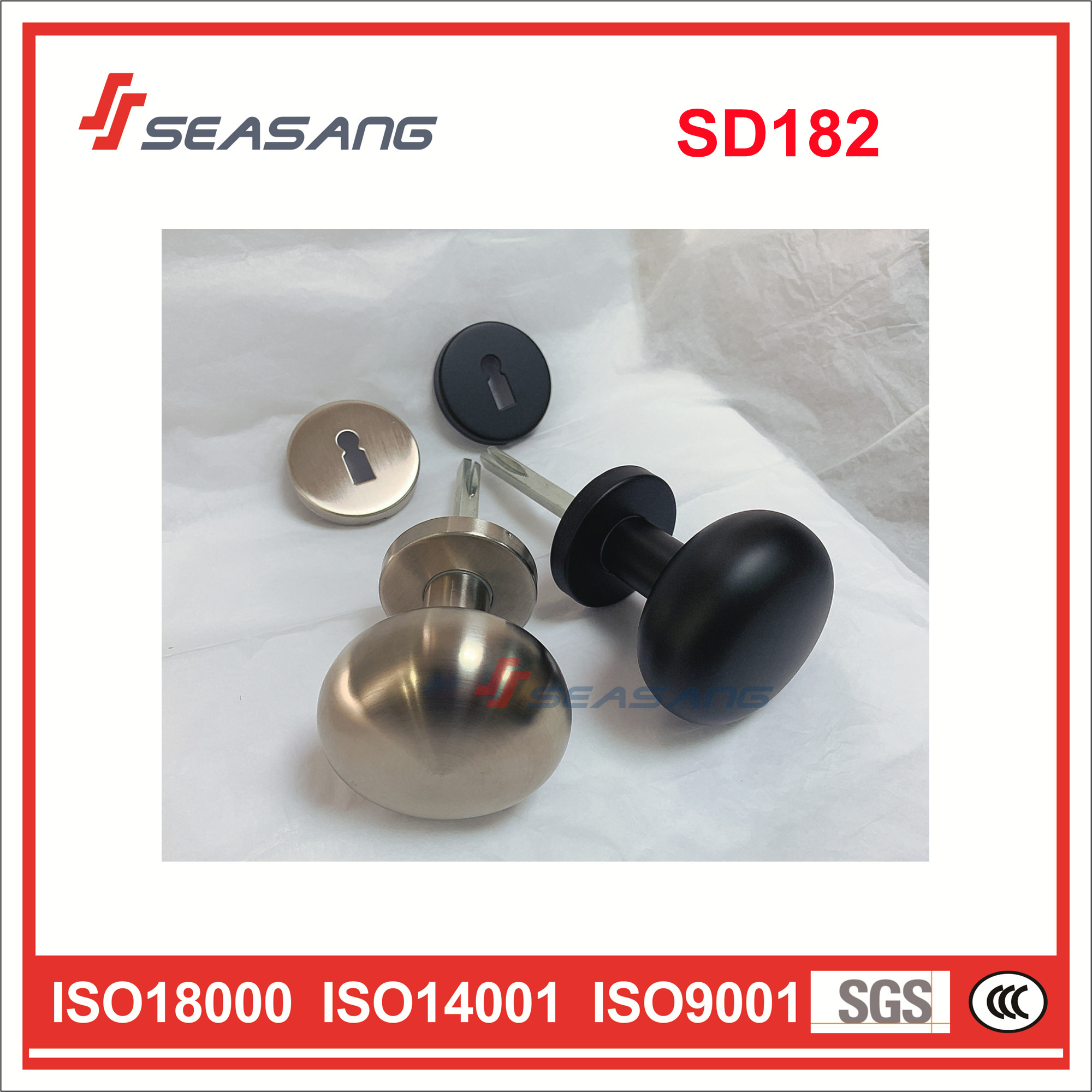
Understanding the mechanical differences between hardware types helps determine the best fit for specific environments. The most common residential options fall into two categories: traditional round knobs and linear lever mechanisms.
Round knobs require tight gripping and twisting motions to operate the latch. This design works well in older homes maintaining a specific vintage aesthetic. However, they present accessibility challenges for children, elderly individuals, or anyone carrying heavy items.
By contrast, linear designs require only downward pressure to disengage the latch. This makes lever door handles significantly more accessible for all users. Choose linear models if ADA compliance or general ease of use matters more to your household than strictly adhering to a vintage architectural style. They offer a modern profile that suits both residential apartments and commercial office spaces.
The base material of your hardware directly dictates its lifespan, maintenance requirements, and resistance to environmental factors. Manufacturers utilize several different metals, each offering distinct advantages depending on the application context.
For optimal longevity, property owners consistently turn to stainless steel. SHI SHANG HARDWARE CO., LTD., a manufacturer established in Jiangmen, China in 1989, specializes in producing fixtures from high-grade stainless steel. This material naturally resists rust, corrosion, and physical denting, making it highly suitable for both interior and exterior applications.
Below is a breakdown of common manufacturing materials and their respective performance metrics:
Material Type | Durability Rating | Corrosion Resistance | Best Application Environment |
304 Stainless Steel | Excellent | High | High-traffic areas, bathrooms, coastal properties |
Solid Brass | Very Good | Moderate | Traditional interiors, low-humidity spaces |
Zinc Alloy | Moderate | Low | Budget-conscious residential renovations |
Aluminum | Good | High | Lightweight commercial interior doors |
Choose 304 stainless steel if structural integrity and moisture resistance matter more than initial material costs. Solid brass serves well if you require specific antique finishes, though it requires more frequent polishing to maintain its appearance.


A complete hardware upgrade extends beyond the primary operating mechanism. To maximize both security and daily convenience, property owners must evaluate the entire functional ecosystem of the entryway.
Additional components protect your walls from impact damage, provide secondary security measures, and ensure smooth operation over decades of use. High-quality hinges, for example, prevent the heavy panel from sagging and scraping against the floor. Floor-mounted stops absorb impact force, preventing the operating fixture from punching holes through drywall during forceful openings.
Integrating durable door accessories into your installation project ensures that the entire assembly functions cohesively. Upgrading the primary operating fixture while leaving old, weakened hinges in place frequently leads to misalignment issues. Replacing all related components simultaneously guarantees uniform wear and a consistent visual finish across the entire frame.
Executing a successful renovation requires moving beyond purely aesthetic considerations. By prioritizing robust manufacturing materials like stainless steel and selecting mechanically sound designs, property owners secure long-term value. Focus on the specific accessibility needs of the occupants, match the base materials to the environmental humidity, and ensure all supporting components match the quality of the primary fixture.
Take inventory of your current hardware, identify which mechanisms fail to meet your daily functional requirements, and consult with established manufacturers to source commercial-grade replacements for your residential or office space.
Basic residential replacements range from $15 to $45 per unit. Commercial-grade stainless steel fixtures typically cost between $50 and $120 per unit, depending on the complexity of the locking mechanism and the grade of the steel used.
A professional installer can replace a standard interior fixture in 15 to 20 minutes. If the new hardware requires resizing the existing borehole or chiseling a new latch plate recess, the timeline extends to 45 minutes per unit.
Zinc alloy fixtures often feature thin plating that chips or peels away within two years of regular use. Additionally, the internal spring mechanisms in budget models frequently fail, causing the lever to sag or the latch to stick permanently in the retracted position.
Yes. Electronic keypads and smart locks offer viable alternatives for property owners seeking keyless entry. However, these systems require battery maintenance and cost significantly more than traditional mechanical stainless steel fixtures.
Heavy-duty stainless steel hardware benefits property managers, commercial office developers, and homeowners seeking permanent, low-maintenance fixtures. They are particularly necessary for coastal properties where salt air rapidly corrodes lesser metals like standard steel or zinc.


