
Views: 0 Author: Site Editor Publish Time: 2026-06-18 Origin: Site
Quick answer:
Door accessories—including lever door knobs, hinges, pulls, and locking mechanisms—play a critical role in both the functionality and visual appeal of any space. Choosing the right components ensures long-term durability, ease of use, and a cohesive design aesthetic throughout a residential or commercial property.
Every door in a building does more than open and close. It sets expectations. The moment a visitor reaches for a handle or pushes through an entrance, the hardware communicates something about the quality and character of the space beyond. That's why door accessories deserve more deliberate consideration than most buyers give them.
From residential apartments to commercial offices and hotels, hardware selection influences user experience and long-term maintenance costs. Getting it right the first time—by understanding materials, mechanisms, and aesthetic compatibility—saves significant time and money down the line.
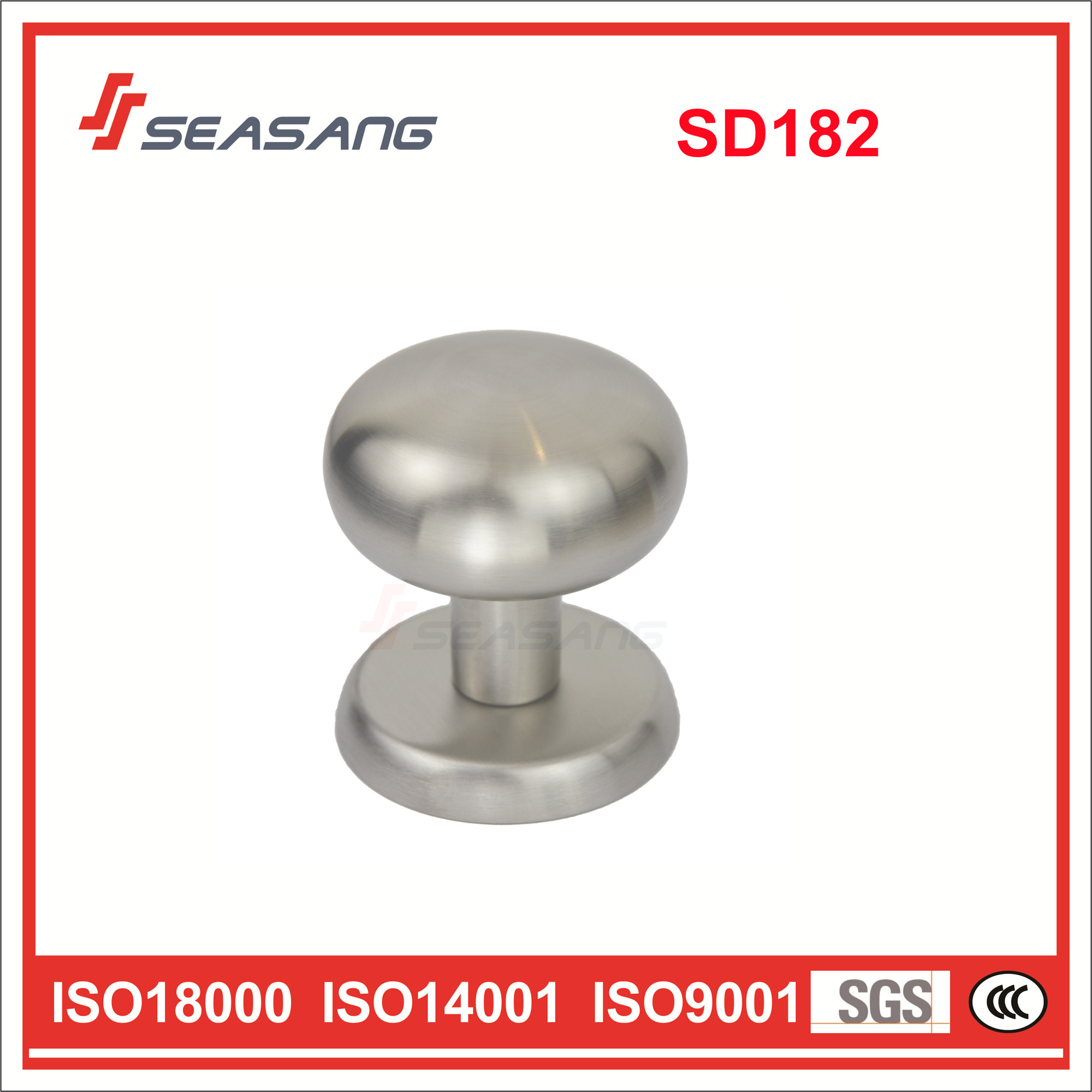
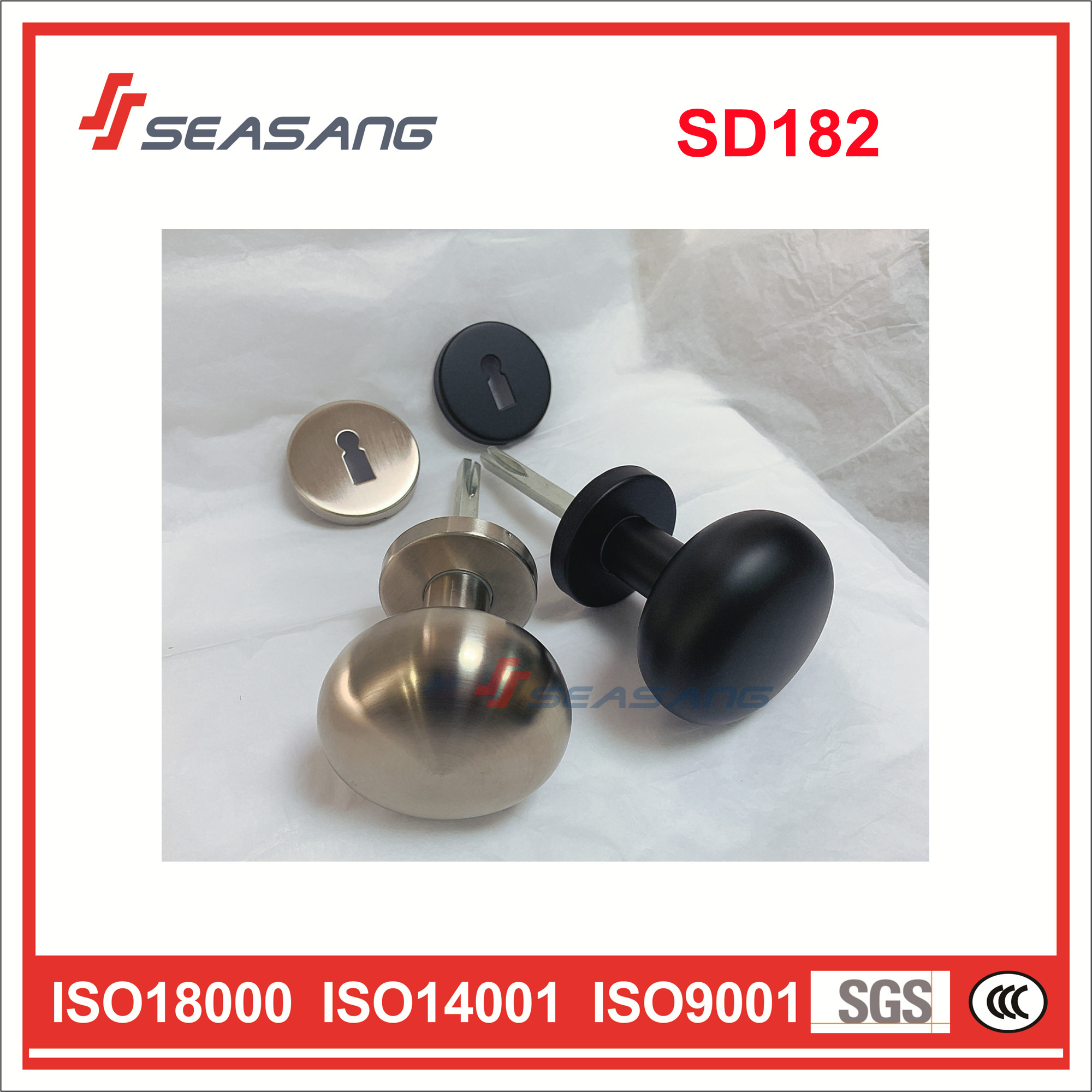
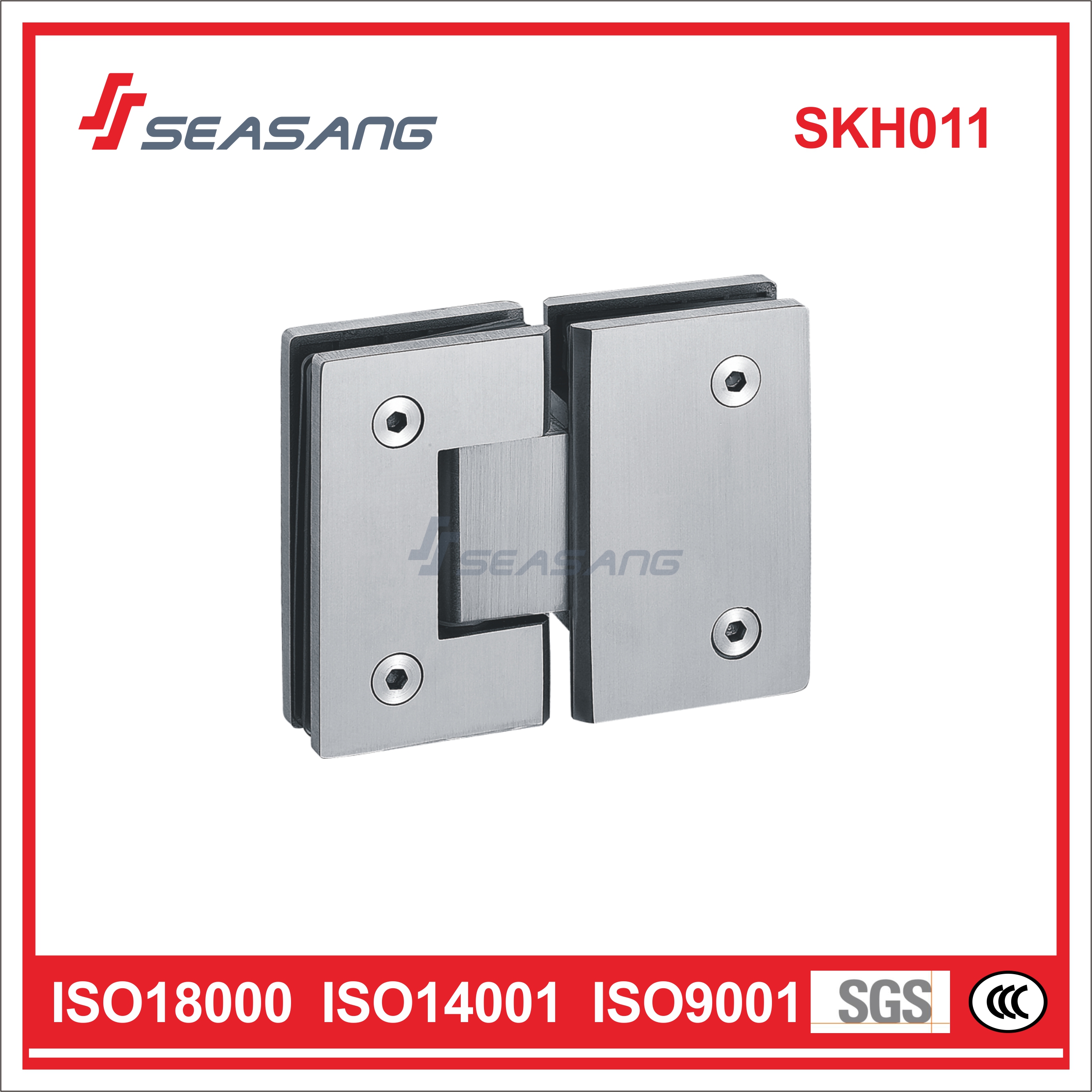
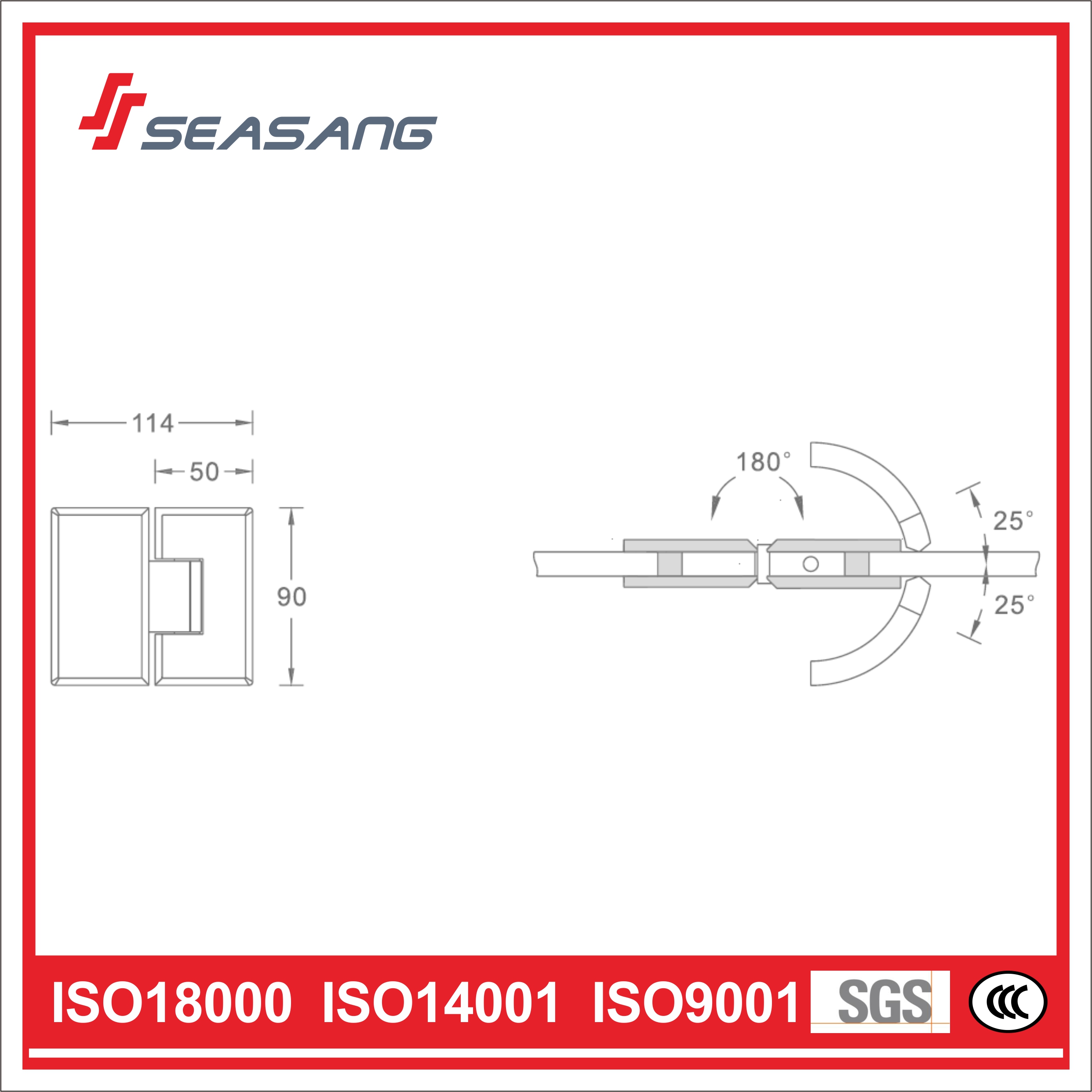
Door accessories is a broad category covering all hardware components attached to a door or door frame. This includes:
Handles and pulls
Hinges
Locks and latch mechanisms
Door closers and stoppers
Escutcheons and plates
Kick plates and signage
While handles and locks attract the most attention during a specification process, hinges and closers are equally important for the long-term performance of any door installation.
Two of the most common door hardware mechanisms are lever door knobs and pull handles. Each suits different contexts, and the choice between them affects both aesthetics and accessibility.
Lever door knobs operate with a simple push-down motion, making them accessible for elderly users, children, and anyone carrying items in both hands. They're widely used in residential and office environments and are required under many building accessibility codes.
Pull handles, by contrast, require a gripping and pulling motion. They're common in commercial settings—particularly on glass doors, storefronts, and high-traffic entrances—where a longer bar or D-shaped handle offers a more commanding visual presence.
The decision isn't purely stylistic. Door weight, frequency of use, and user demographics all factor into which mechanism performs best over time.
Material selection is one of the most consequential decisions in any hardware specification. Architectural hardware must withstand the specific demands of its environment, whether that's a coastal hotel exterior or a high-traffic office interior.
Material | Best For | Corrosion Resistance | Maintenance Level |
Stainless Steel (304/316) | Commercial, coastal, high-traffic | Excellent | Low |
Zinc Alloy | Interior residential | Moderate | Low–Medium |
Brass | Traditional or luxury interiors | Good | Medium |
Aluminum | Lightweight interior doors | Moderate | Low |
Bronze | Heritage and premium projects | Good | Medium–High |
Stainless steel—particularly grade 316—is the industry standard for external and coastal installations due to its resistance to salt air and moisture. SHI SHANG HARDWARE CO., LTD., founded in 1989 in Jiangmen, China, specializes in stainless steel hardware production and supplies durable, well-finished components for residential, hospitality, and commercial projects worldwide.
Zinc alloy is a cost-effective option for interior doors with lower traffic. Brass remains popular in luxury and heritage settings, though it requires more regular polishing to maintain its appearance.
Finish consistency matters as much as material quality. A matte black lever handle reads very differently from a brushed gold one—even if both are structurally identical. The goal is visual cohesion across all door hardware within a space.
Common finish-to-style pairings include:
Brushed nickel or satin stainless: Modern, minimalist, and Scandinavian interiors
Matte black: Industrial, contemporary, and moody design schemes
Polished chrome: Traditional or transitional spaces
Antique brass or bronze: Heritage, rustic, or Mediterranean aesthetics
Brushed gold: Luxury residential and hospitality environments
Mixing finishes is generally discouraged within a single room but can work effectively as a deliberate design accent when applied with restraint.
For architects, developers, and procurement managers specifying hardware across multiple units or large commercial projects, consistency and supply reliability are top priorities. Several factors deserve close attention:
Lead times: Confirm production and shipping timelines early, particularly for custom finishes
Minimum order quantities: Established manufacturers typically offer competitive MOQs for bulk orders
Compliance and certification: Ensure hardware meets relevant standards such as EN 1906 for door handles in Europe or ANSI/BHMA in the US
Warranty terms: A longer warranty signals manufacturer confidence—some suppliers offer coverage of eight years or more
After-sales support: Replacement parts availability and technical support matter significantly over a building's full life cycle
Sourcing directly from a manufacturer reduces costs and improves control over both quality and delivery.
Door hardware rarely receives the attention it deserves in a building project—until something fails. A lever that sticks, a hinge that creaks, or a finish that corrodes within a year creates ongoing maintenance costs and a poor user experience that's difficult to reverse.
Thoughtful specification from the outset—matched to the environment, use case, and aesthetic brief—prevents these problems entirely. Whether you're outfitting a single residential property or procuring hardware across a large commercial development, the principles are the same: choose the right material, the right mechanism, and a supplier with proven production standards.
SHI SHANG HARDWARE CO., LTD. supplies door handles, lever handles, pull handles, hinges, locks, and bathroom hardware to projects globally. Contact the team at sales@jm-shishang.com to discuss your project requirements.
What is the difference between door accessories and door hardware?
The terms are often used interchangeably. "Door hardware" typically refers to all mechanical components on a door, while "door accessories" can also include decorative or supplementary items like kick plates, door viewers, and signage. In practice, most manufacturers use both terms to describe the same product categories.
Are lever door knobs suitable for commercial buildings?
Yes. Lever door knobs are commonly specified in commercial buildings because they comply with accessibility requirements under many building codes. They operate more easily than round knobs and perform well in high-traffic environments when manufactured from durable materials such as stainless steel.
What grade of stainless steel should I specify for external door hardware?
Grade 304 stainless steel suits most interior and standard external applications. Grade 316 is recommended for coastal locations or environments with high humidity and salt exposure, as it provides superior corrosion resistance.
Which finish lasts the longest on door hardware?
Brushed and satin finishes tend to hide everyday scratches better than polished ones. Physical vapor deposition (PVD) coatings offer the best long-term durability and are increasingly common in premium hardware products.
Can I mix handle styles across interior and exterior doors?
Yes. Using a heavy-duty pull handle on an exterior door and a lever mechanism on interior doors is a standard practice. Maintaining a consistent finish across the entire project keeps the overall look cohesive.


