
Views: 0 Author: Site Editor Publish Time: 2026-09-12 Origin: Site
Most people never think about a door handle until it stops working properly. It sticks. It wobbles. It feels cheap under the palm. Then, almost overnight, this small object becomes the most annoying part of an otherwise well-designed room.
A door handle is one of the most frequently touched objects in any home, yet it's often the last thing homeowners consider during a renovation. Paint colors, flooring, and furniture usually take priority, while hardware gets picked at the last minute, sometimes as an afterthought at the hardware store checkout. That's a mistake. The right handle affects comfort, security, and even how a room looks and feels the moment you walk through the door.
This guide breaks down what actually matters when choosing a door handle for your home, from the materials used to the construction methods behind different lever styles. Whether you're renovating a single bedroom door or specifying hardware for an entire house, understanding these basics will help you make a decision you won't regret in five years.

A door handle does three jobs at once: it provides a secure grip, it withstands daily wear, and it contributes to the overall design language of a space. Fail on any one of these, and the whole door feels off, even if the door itself is well made.
Comfort is the most obvious factor. Hands come in different sizes, and a handle that feels awkward to grip will be noticed dozens of times a day. Durability matters just as much. A handle installed on a front door might be turned thousands of times a year, and cheap internal components tend to loosen or seize well before the finish on the surface starts to wear.
Security is the factor people underestimate most. Exterior door handles, in particular, need to resist forced entry attempts, not just casual use. This is why hardware manufacturers pay close attention to the internal construction of a handle and not just its outward appearance.
Door handles generally fall into three broad categories: lever handles, pull handles, and knobs. Each suits different door types and different levels of daily use.
Lever handles are the most common choice for interior doors because they're easy to operate, even for people with limited hand strength. They also come in an enormous range of styles, from minimalist straight bars to more ornate designs. Manufacturers like Others Door Lever Handle collections illustrate just how varied this category can be, covering everything from compact residential styles to heavier commercial-grade options.
Pull handles are typically used on entry doors, sliding doors, and cabinetry, where a simple grip-and-pull motion works better than a rotating lever. Knobs, meanwhile, remain popular for their classic look, though they can be harder to operate for anyone carrying groceries or wearing gloves.
Choosing between these options often comes down to where the handle will be installed and how much daily use it needs to withstand. The table below breaks down the most common considerations.
Handle Type | Best For | Typical Material | Ease of Use | Maintenance |
|---|---|---|---|---|
Lever Handle | Interior doors, offices, bedrooms | Stainless steel, zinc alloy | High – easy grip and push | Low, occasional tightening |
Pull Handle | Entry doors, sliding doors | Stainless steel, brass | Moderate – requires a firm grip | Low |
Knob | Closets, low-traffic doors | Brass, aluminum | Moderate – harder for limited grip strength | Low |
Material choice matters just as much as shape. Stainless steel resists corrosion and tarnishing, which makes it a strong choice for humid climates or coastal homes. Brass offers a warmer, more traditional look but may require more upkeep over time. Zinc alloy is often used in mid-range hardware because it balances cost with reasonable durability.
Beyond the visible finish, the internal construction of a lever handle plays a major role in how long it lasts. Handles are generally built as either solid or hollow.
Solid handles use a single dense piece of metal, which adds weight and a premium feel but also increases material cost. Hollow Lever Handles, on the other hand, are engineered with an internal cavity that reduces material use while still maintaining structural strength when manufactured correctly. This makes them a practical option for large-scale residential or commercial projects where cost efficiency matters without sacrificing daily performance.
The key is manufacturing quality. A well-engineered hollow handle, built with the correct wall thickness and reinforced stress points, can perform just as reliably as a solid one for typical residential use.
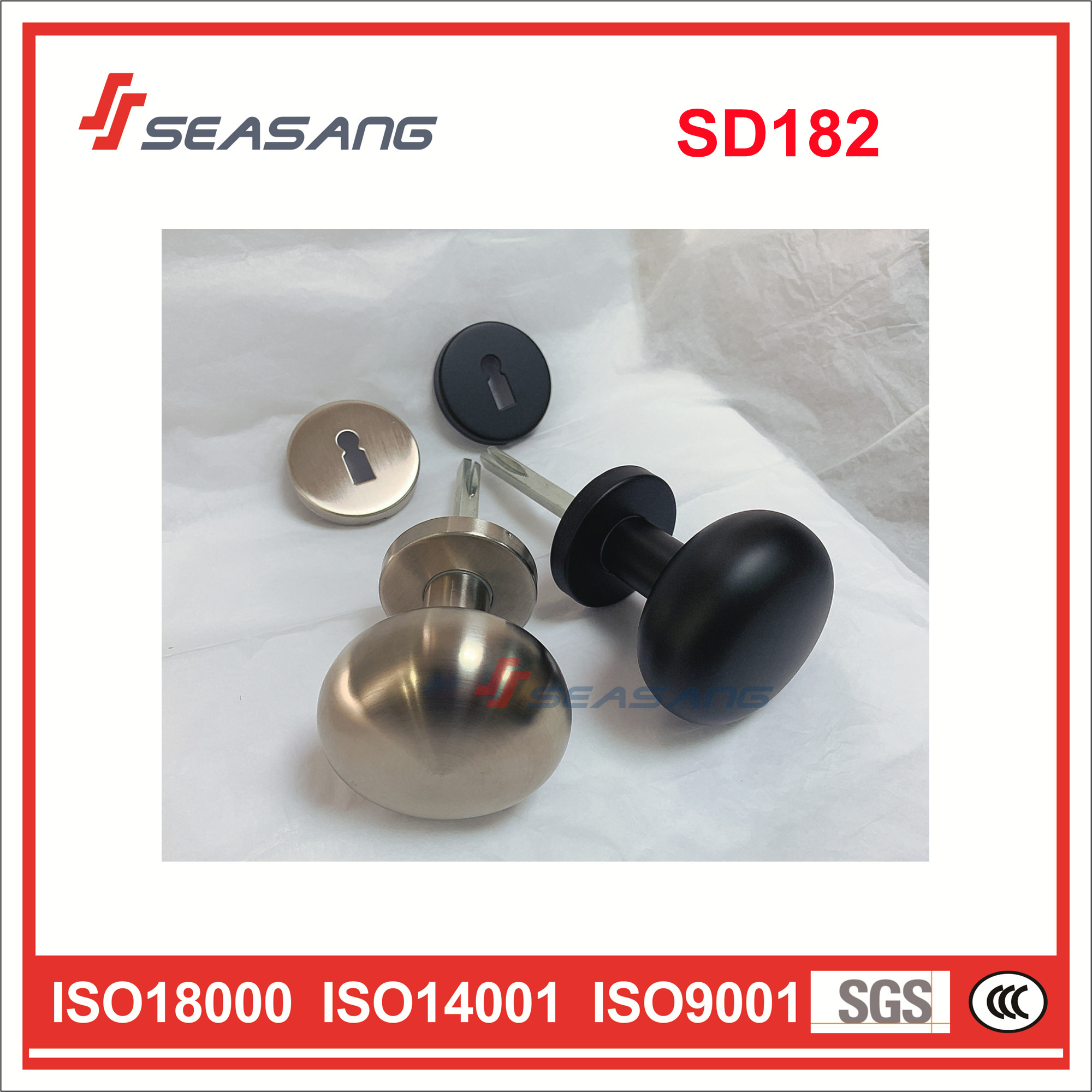

Manufacturing method is another factor that rarely gets discussed but significantly affects durability. Many lever handles are produced through casting, a process where molten metal is poured into a mold to form the final shape.
Casting Lever Handles allow manufacturers to create intricate, detailed designs that would be difficult to achieve through other production methods. This process also tends to produce a denser, more uniform structure, which contributes to the handle's overall strength and resistance to daily stress. For anyone comparing handles, it's worth asking a supplier how their hardware is manufactured, not just what it looks like on a showroom shelf.


Once function is settled, style becomes the deciding factor. Brushed stainless steel and matte black finishes suit modern, minimalist interiors. Polished brass and traditional lever shapes work well in classic or transitional homes. Consistency matters too: mixing too many finishes across a home can make individual rooms feel disconnected from one another.
A simple rule of thumb is to choose one primary finish for main living areas and allow slight variation in less visible spaces, like utility rooms or closets, where a lower-cost option won't stand out.
Shi Shang Hardware Co., Ltd. has been developing and producing stainless steel hardware since 1989, when the company was founded in Jiangmen, China, as a foreign-invested enterprise with roots in Stuttgart, Germany. Over more than three decades, the company has grown into one of the largest stainless steel production bases in China, supplying door handles, locking systems, and bathroom hardware for residential, hotel, and commercial projects around the world.
That long production history matters when it comes to something as frequently used as a door handle. Consistent manufacturing standards, tested materials, and attention to internal construction all contribute to hardware that holds up under years of daily use rather than showing wear within months.
A door handle might be small, but it carries a surprising amount of responsibility: comfort, security, and design all rolled into a single object you touch without thinking. Start by identifying where the handle will be installed and how much daily use it will see. From there, weigh material, internal construction, and manufacturing method before finishing with style.
Getting these decisions right the first time means you won't be swapping out hardware again in a year or two. The next time you're standing in a hardware aisle or scrolling through a supplier's catalog, that extra bit of research will pay off every single time your hand reaches for the door.
What's the difference between a hollow and a solid lever handle?
A solid handle is machined or cast from a single dense piece of metal, offering extra weight and durability. A hollow handle has an internal cavity, reducing material cost while still holding up well under normal residential use when properly engineered.
Are cast lever handles as strong as machined ones?
Yes, when manufactured correctly. Casting produces a dense, uniform structure that can match or exceed the strength of other production methods, while also allowing for more detailed design work.
What material lasts longest for exterior door handles?
Stainless steel is generally the most durable choice for exterior use, since it resists corrosion, rust, and tarnishing better than brass or aluminum, especially in humid or coastal climates.
How often should door handles be replaced?
Well-made handles can last well over a decade with occasional maintenance, such as tightening internal screws. Replacement is usually driven by mechanical wear, style updates, or damage rather than a fixed timeline.


