
Views: 0 Author: Site Editor Publish Time: 2026-09-27 Origin: Site
A door handle is easy to overlook until it stops working the way it should. It sticks, it wobbles, or it just feels cold and cheap under your palm every time you walk into a room. That small piece of hardware gets touched dozens of times a day, which makes it one of the most important design decisions in any home, even though it rarely gets the attention it deserves.
Choosing hardware for your doors involves more than picking a shape you like. Material, finish, mechanism, and even the room it's going in all affect how a handle performs over time. A bathroom door faces humidity every day, while a kitchen door deals with grease, water, and constant use. Getting this decision right means your hardware will still look sharp and function smoothly years down the line.
This guide walks through the main handle styles available, how to match them to different rooms, and what separates a handle that lasts from one that fails within a year. Along the way, we'll point out where quality manufacturing makes a real difference, because not all hardware is built to the same standard.
Every handle style has a slightly different feel and function. Some are built for one-handed operation, others prioritize a sleek, minimal profile, and some are designed specifically to withstand heavy daily use in commercial or high-traffic spaces.
Lever door handles are one of the most popular choices for interior doors because they're easy to operate with a light push, even with a full hand or an elbow. This makes them a practical option for kitchens, laundry rooms, and homes with young children or elderly residents. Their design also tends to complement both modern and traditional interiors, which is part of why they show up so often in renovation projects.
Knob handles, by contrast, require a full grip and twist, which can be less convenient but still suits certain classic or period-style homes. Sliding doors and cabinets often call for a different approach entirely, usually a flush or recessed pull that doesn't interfere with the door's motion.
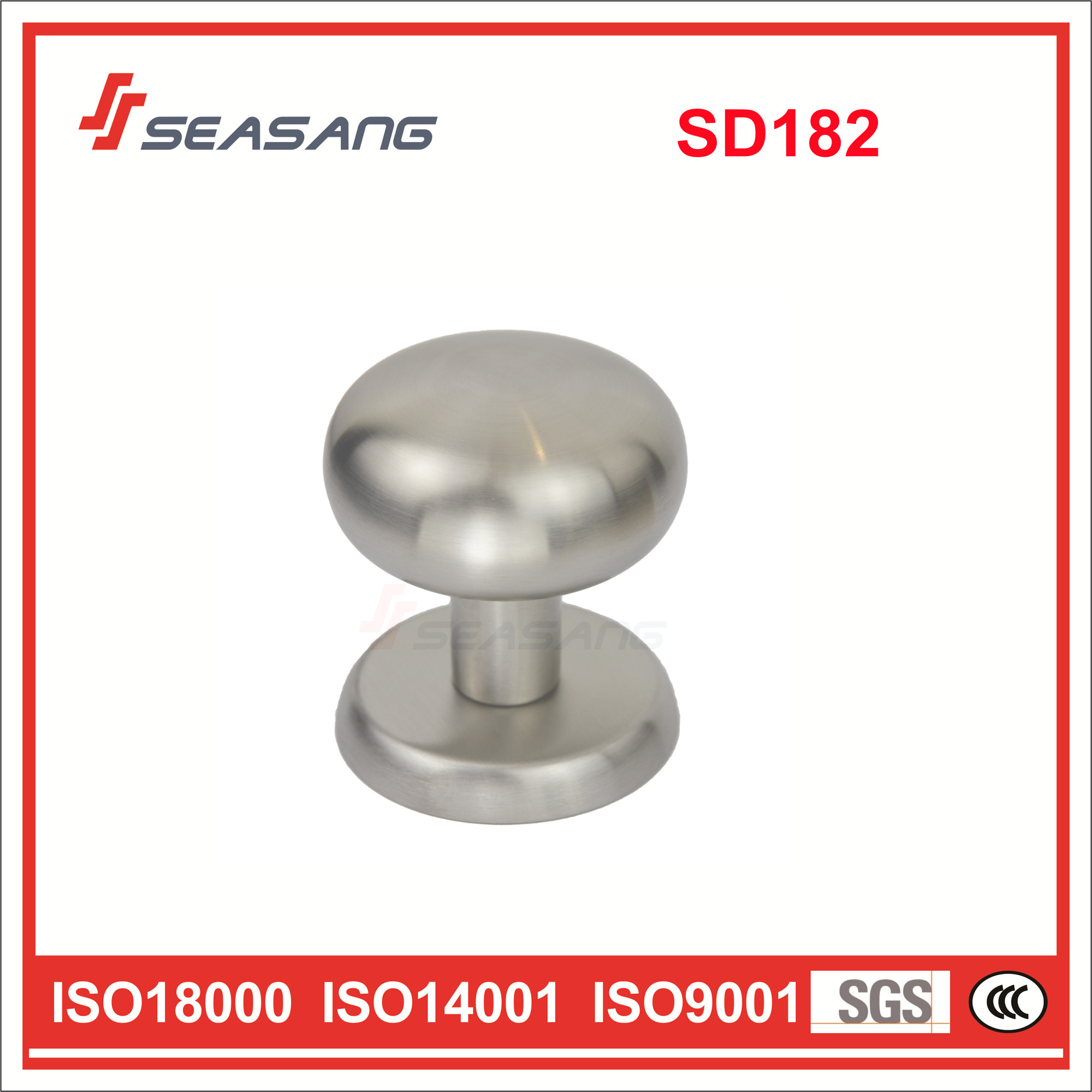

Here's a quick breakdown of how the main handle types stack up against each other:
Handle Type | Best For | Operation | Typical Finish Options |
|---|---|---|---|
Lever Handle | Interior doors, kitchens, accessibility-focused homes | Push down with hand, elbow, or wrist | Stainless steel, matte black, polished chrome |
Knob Handle | Bedrooms, traditional or period-style interiors | Full grip and twist | Brass, brushed nickel, stainless steel |
Pull Handle | Cabinets, sliding doors, entry doors | Grip and pull | Stainless steel, matte black, satin brass |
Flush Pull | Sliding or pocket doors | Recessed grip | Stainless steel, brushed finishes |
This table only scratches the surface, since finish, weight, and build quality all vary between manufacturers. A handle made from solid stainless steel will hold up far better against daily wear than one made from lightweight zinc alloy, even if they look nearly identical in a showroom.
Not every door needs the same type of hardware, and matching the handle to the room it's used in makes a noticeable difference in both comfort and durability.
Entry doors benefit from sturdy, weather-resistant hardware, since they're exposed to the elements and handled constantly. A well-built door pull handle paired with a reliable locking system gives homeowners both security and a strong first impression for guests.


Kitchens and bathrooms deal with moisture, grease, and frequent hand contact, so stainless steel hardware is usually the smarter choice over finishes that tarnish or corrode over time. This is also where smaller details, like hinges, door stops, and other door accessories, start to matter, since they affect how smoothly a door opens and closes over years of use.
Bedrooms and living spaces offer more flexibility, since these doors see lighter daily use. This is a good place to prioritize style, whether that means a warm brass finish or a sleek matte black look that matches the rest of the room.
Two handles can look nearly identical on a showroom shelf and still perform completely differently after a year of daily use. Material quality is the biggest factor here. Solid stainless steel resists corrosion, holds its finish, and can handle the mechanical stress of constant use far better than lower-grade alloys.
SHI SHANG HARDWARE CO., LTD. has focused on stainless steel hardware production since the company was founded in Jiangmen, China, in 1989, as a foreign-invested enterprise originating from Stuttgart, Germany. Over the decades, this focus has helped the company become one of the largest stainless steel production bases in China, supplying hardware for residential, hotel, and commercial projects. That kind of manufacturing consistency matters when you're choosing hardware meant to last for years, not just months.
Homeowners renovating a house or builders sourcing hardware for a new project both benefit from working with a manufacturer that controls quality from raw material to finished product, rather than assembling parts from multiple unverified suppliers.
How do I know which handle style fits my door best?
Consider how the door is used daily. High-traffic interior doors benefit from lever-style hardware, while cabinets and sliding doors usually call for pull-style handles.
Is stainless steel really worth the extra cost?
Yes, especially for kitchens, bathrooms, and entry doors. Stainless steel resists rust and holds up under constant handling far longer than cheaper metal alloys.
Can I mix handle styles throughout my home?
Absolutely. Many homeowners use lever handles for interior doors, pull handles for entries and cabinets, and knobs for bedrooms, as long as finishes stay consistent for a cohesive look.
The right door handle should feel effortless every time you use it, and it should still look and perform well years after installation. Taking the time to match the handle style, material, and finish to each room pays off in daily comfort and long-term durability.
If you're planning a renovation or a new build, browsing a full range of stainless steel hardware options is a good place to start narrowing down what fits your space and your budget.


